





Enable Address Bar Search Suggestion to Optimizing User Experience for Google Chrome Using Intune
Let’s discuss Enable Address Bar Search Suggestion to Optimizing User Experience for Google Chrome Using Intune. Microsoft Intune settings catalog policy helps you to configure easily, Address Bar Search Suggestion for Google Chrome. It helps you to optimise user experience and data control.
As you know that, search suggestions are predictive text suggestion that appear in the address bar (also known as the omnibox) as you type in Google Chrome. In this context, these search suggestion combines the functions of an address bar and a search bar into one.
By enabling this policy, you will get more faster and more efficient web browsing. This policy is capable of anticipating what you’re trying to find and offering relevant suggestions as you type. With this policy, you can get the result by selecting the correct suggestion after typing just a few letters.
By enabling this policy in an organisation. it is beneficial for users, admins and organization. This feature provides convenience and Personalisation for users. And also they will get quick actions access and they can increase productivity.

Table of Contents
Enable Address Bar Search Suggestion to Optimizing User Experience for Google Chrome Using Intune
By enabling this policy, admins will get full control over the browser feature. Admins can configure the address bar to meet the specific needs of their organisation like Force install bookmarks, Create site search shortcuts, Control search behavior.
- Enable Disable Web Search Suggestions Policy in MS Edge Browser using M365 Admin Center
- 4 Methods Disable Edge Browser Search Suggestions from Address Bar
- Configuring Default Search Provider Suggestion URL in Microsoft Edge with Intune Policy
How to Configure Address Bar Search Suggestion
Search Suggestions are generated based on Browsing history and bookmarks, Default search engine, Trending searches. With Microsoft Intune Admin center you can easily configure the Address Bar Search Suggestion policy with Settings Catalog.
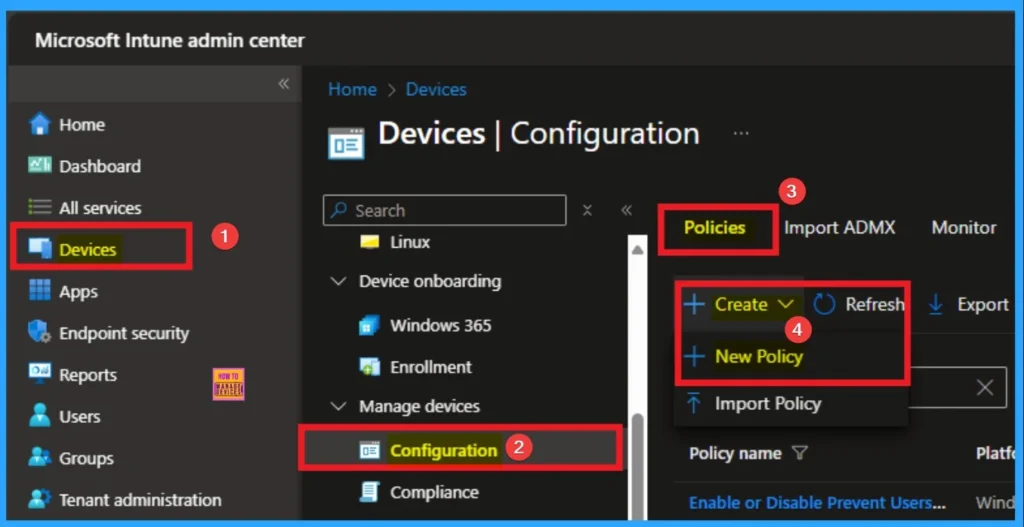
- Sign in to the Microsoft Intune Portal.
- Then go to Devices > Configurations > Create > New Policy.
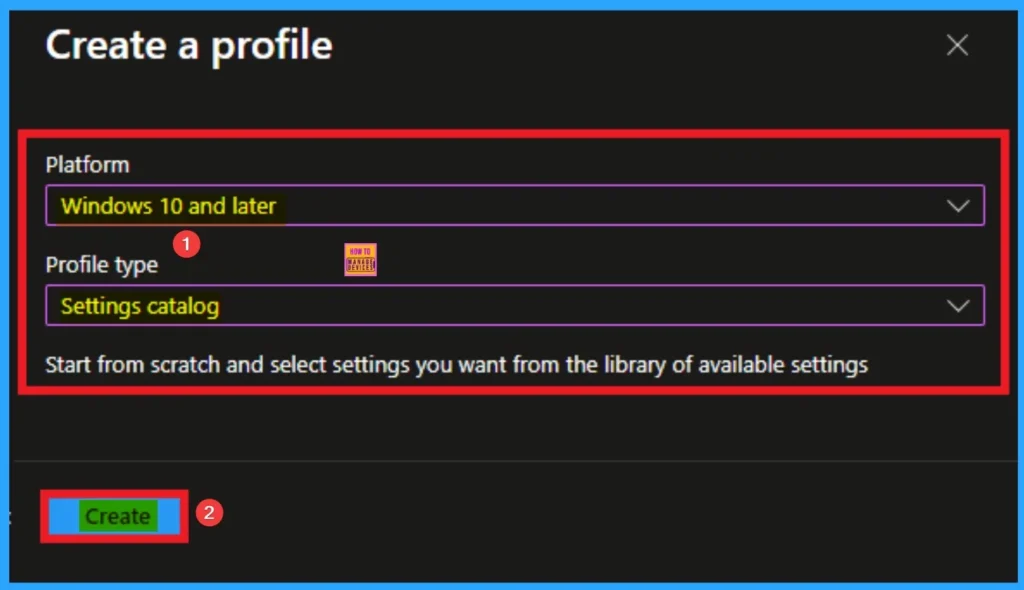
Choosing Platform and Profile
Choosing a platform and profile is the Next step to take before creating policy. This necessary step, and you cannot skip this. Here, I selected Windows 10 and later as the Platform and Settings catalog as the profile type. Then click on the Create button.
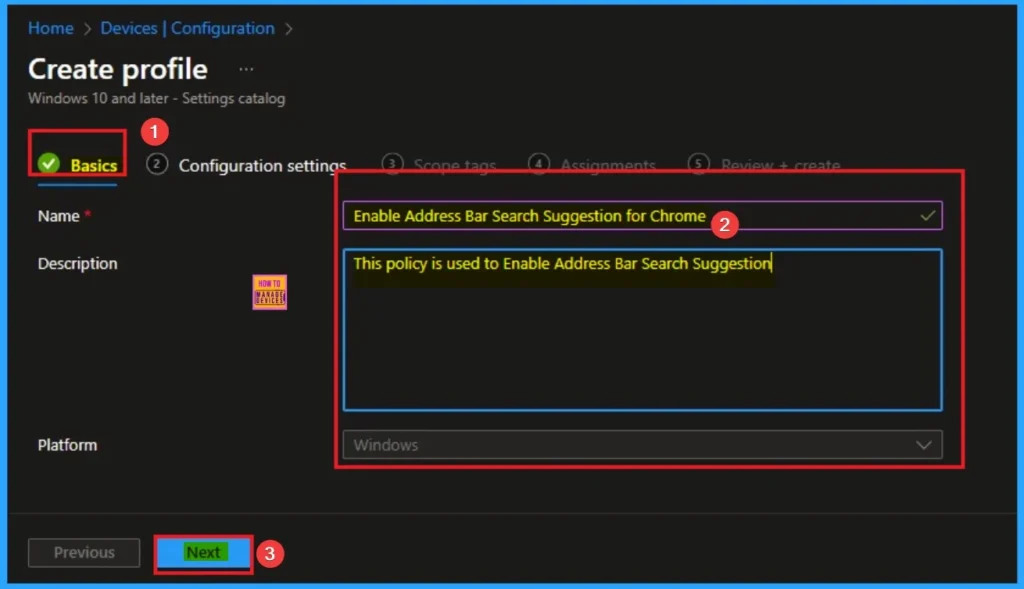
Naming Policy with Basic Tab
Basic Tab provides to add a Name for the settings you want to choose fore policy creation. You can give a name for the policy according to your choice. But, should try to add the name according to the settings. You can also add description for the policy to know the purpose. After adding this, click on the Next button.
Selecting Settings through Settings Picker
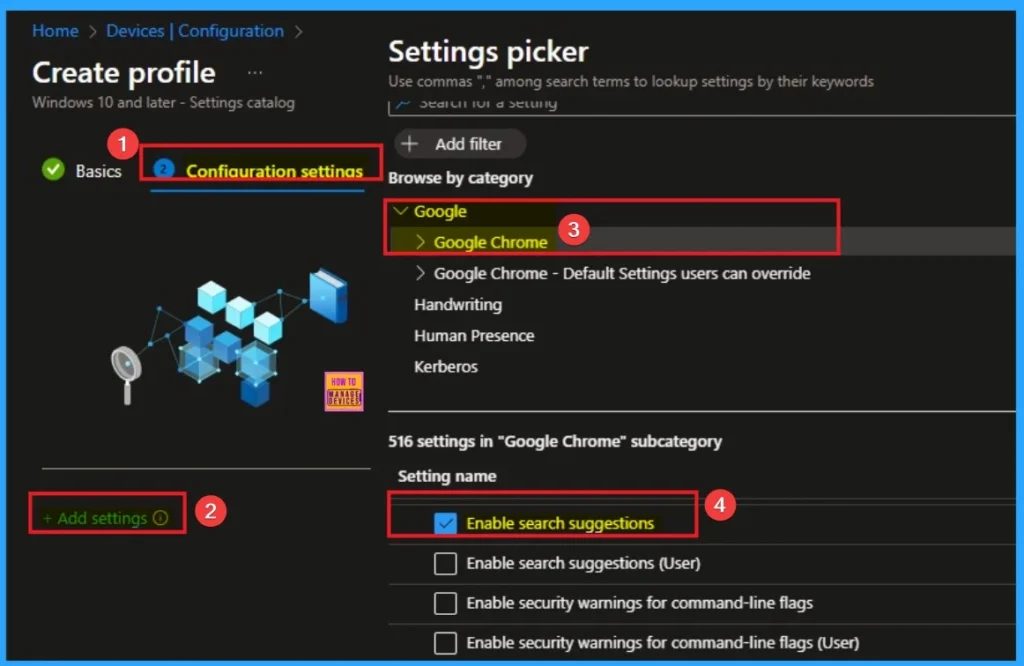
After that, you can click on the +Add settings hyperlink, which shows on the Configuration Settings tab. Then you will get the Settings Picker to choose settings. Here, I would like to select the settings by browsing by Category. I choose Google and Google Chrome. From this sub-category, I choose Enable search suggestions settings.
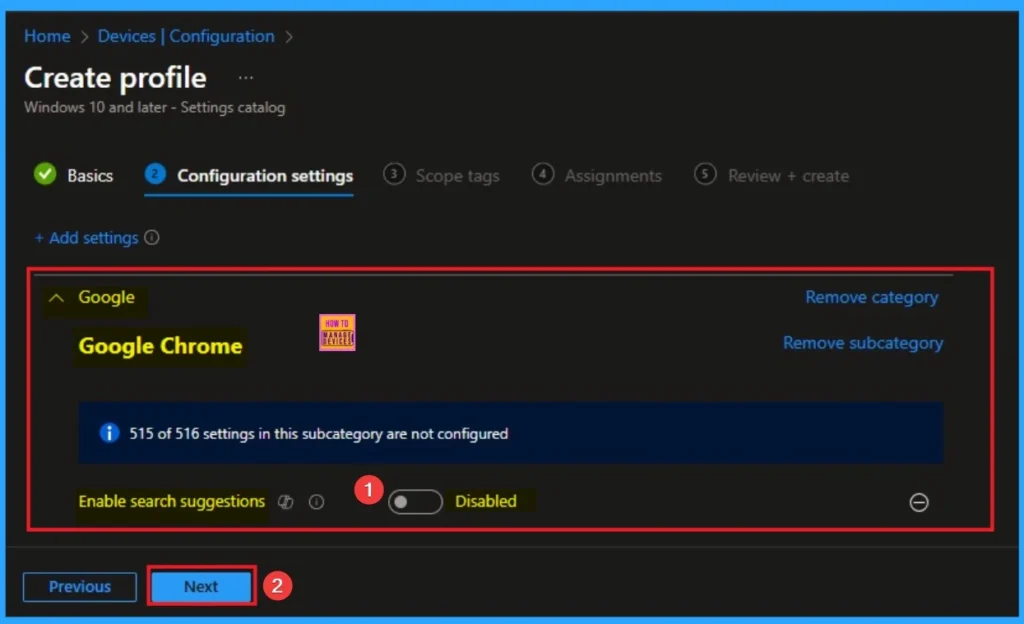
Disable Address Bar Search Suggestion
By disabling this policy, It ensures that keystrokes and search queries are not transmitted to a third-party server,so you can enhance your privacy. It ensures that keystrokes and search queries are not transmitted to a third-party server.
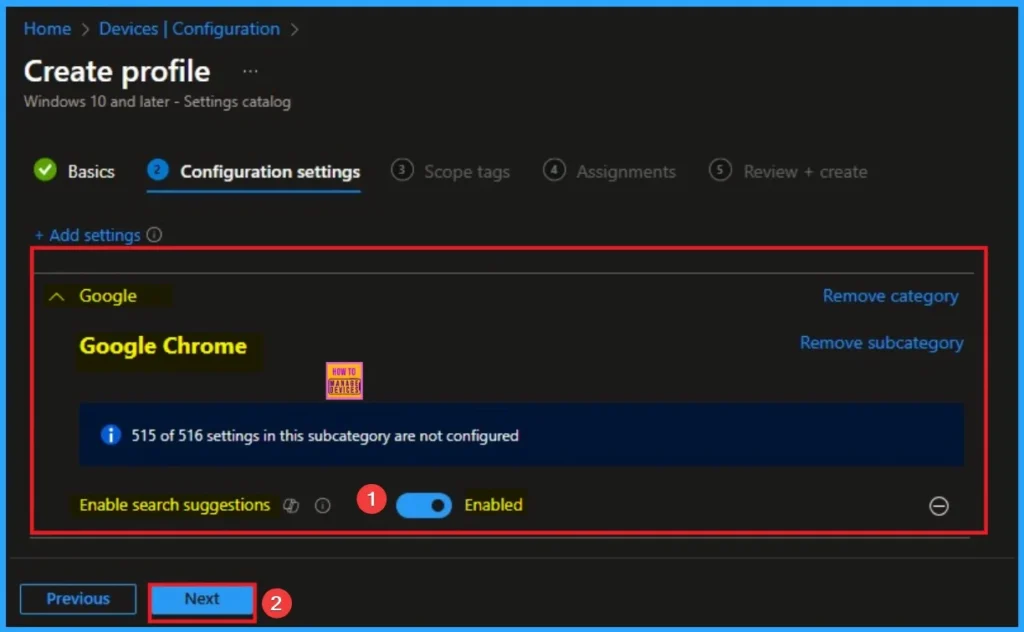
Enable Address Bar Search Suggestion
By enabling this policy, you can enhance the experience and improve the efficiency. This policy suggesting correct spellings for websites and search terms. Here I would like to Enable Media Recommendations for Google Chrome.
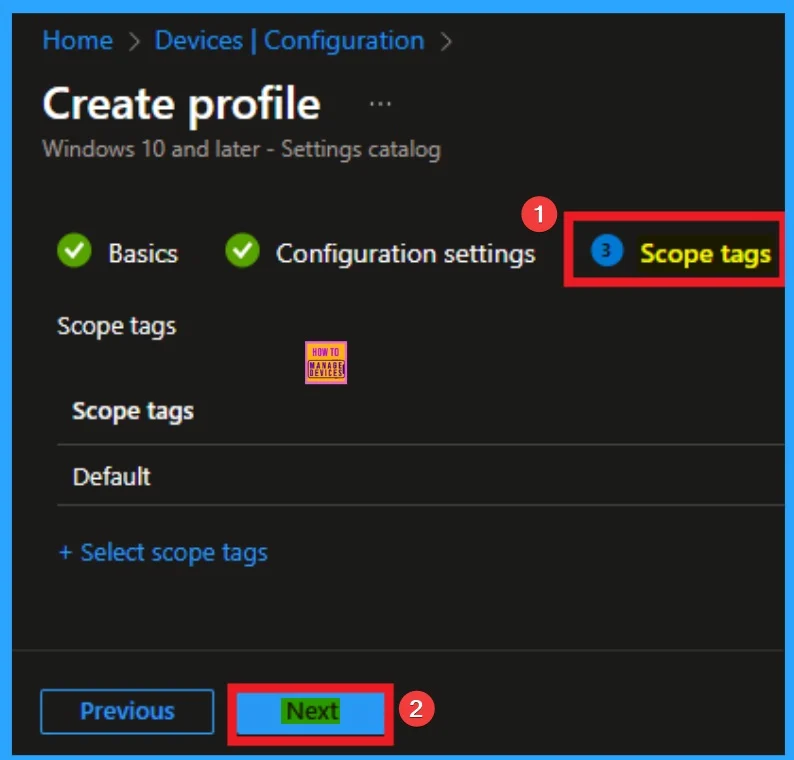
How did Scope Tags Help?
Scope Tags help you to give restrictions for the policy. Here, you can easily create restrictions by clicking on the +Add scope tags hyperlink. Here, I would like to skip this section, because it is not mandatory. Click on the Next button.
Assign the Groups
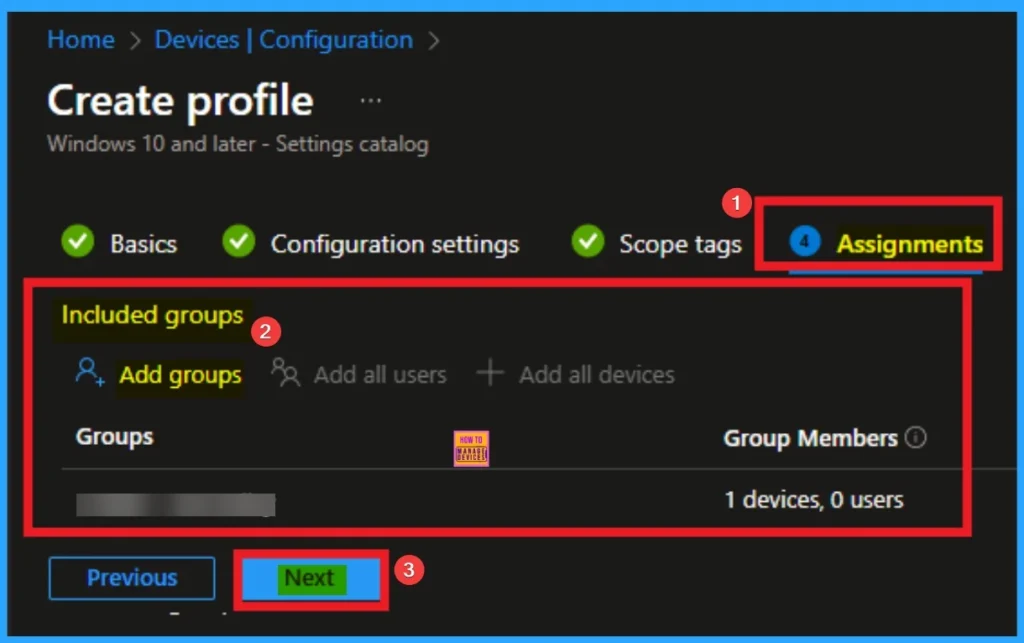
To assign the policy to specific groups, you can use the Assignment Tab. Here I click, +Add groups option under Included groups. I choose a group from the list of groups and click on the Select button. Again, I click on the Select button to continue.
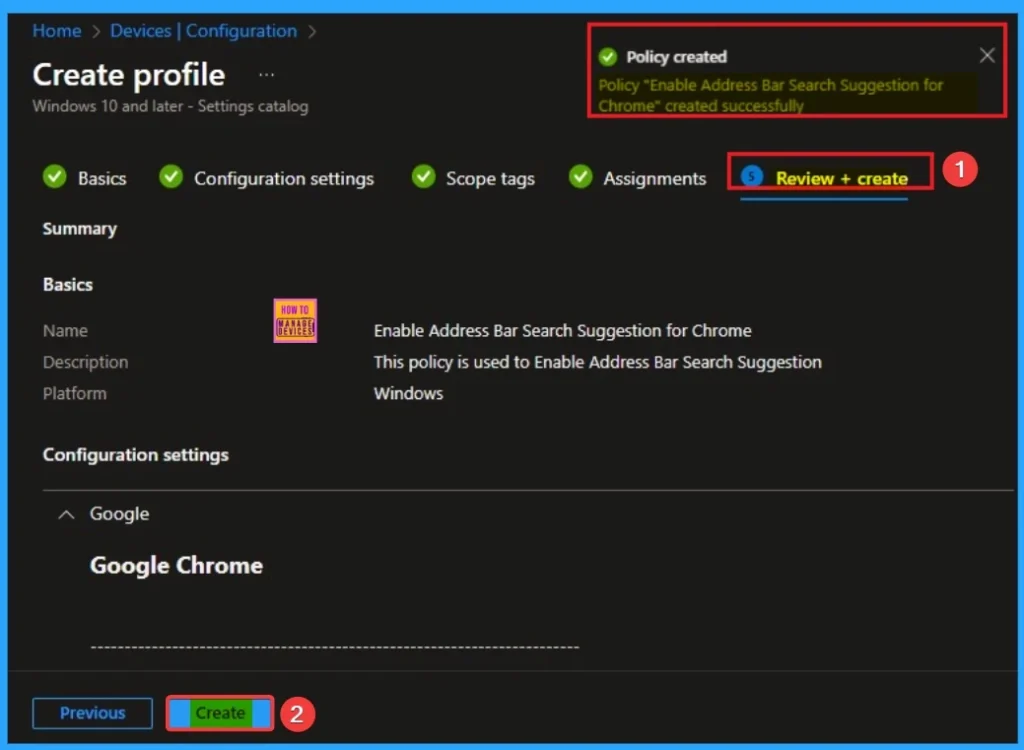
Review +Create Tab for Finalise Policy Creation
With the Review + create tab, you can varify all the policy details before complete the policy creation. After verifying all the details, click on the Create Button. After creating the policy, you will get a success message.
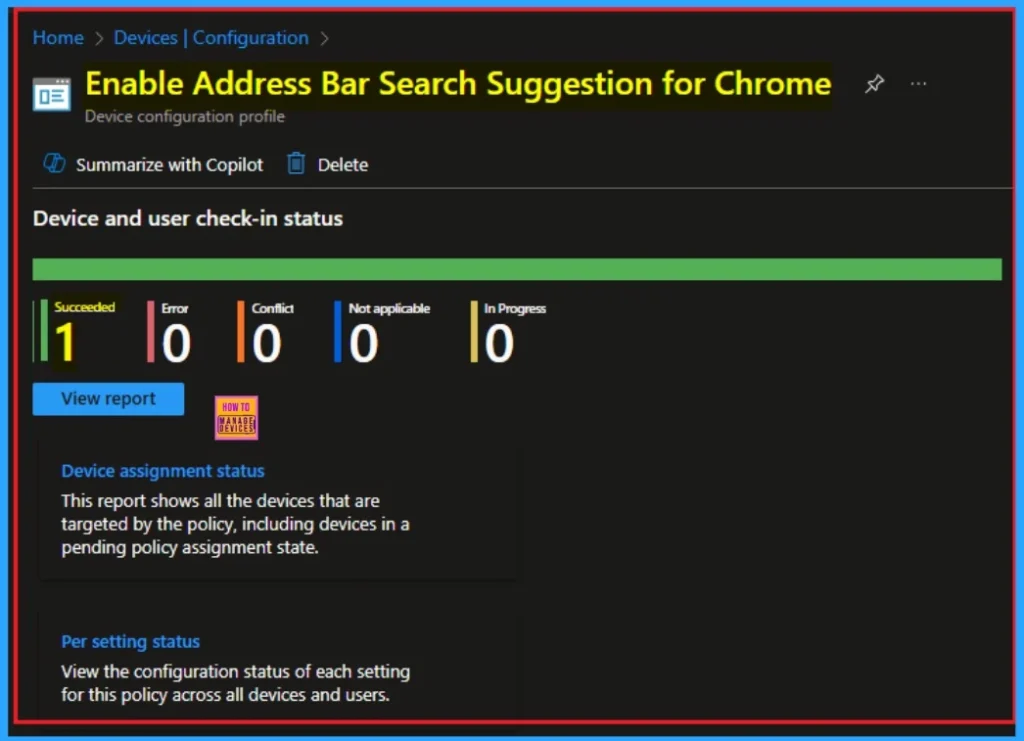
Monitoring Status
The Monitoring Status page shows if the policy is succeeded or not. o quickly configure the policy and take advantage of the policy sync the assigned device on Company Portal. Open the Intune Portal. Go to Devices > Configuration > Search for the Policy. Here, the policy shows as successful.
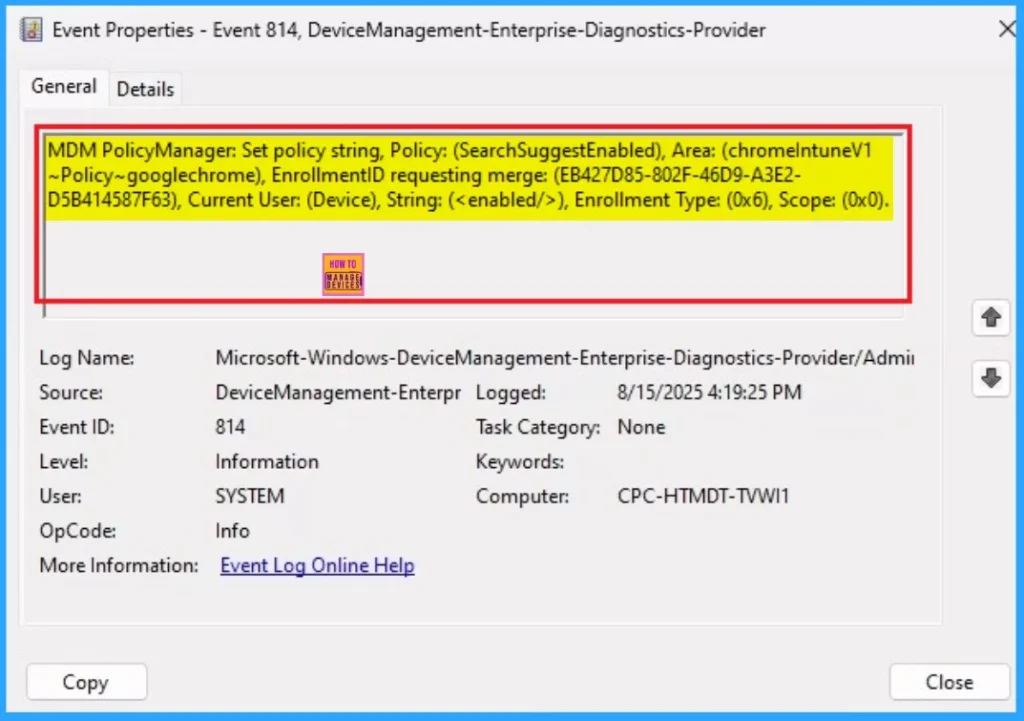
Event Viewer Details
Event Viewer helps you check the client side and verify the policy status. Open the Client device and open the Event Viewer. Go to Start > Event Viewer. Navigate to Logs: In the left pane, go to Application and Services Logs > Microsoft > Windows > DeviceManagement-Enterprise-Diagnostics-Provider > Admin.
- Filter for Event ID 814: This will help you quickly find the relevant logs.
| Event ID Details |
|---|
| MDM PolicyManager: Set policy string, Policy: (SearchSuggestEnabled), Area: (chromelntuneV1 ~Policy~googlechrome), EnrollmentID requesting merge: (EB427D85-802F-46D9-A3E2- D5B414587F63), Current User: (Device), String: (), Enrollment Type: (0x6), Scope: (0x0). |
Removing the Assigned Group from these Settings
If you want to remove the Assigned group from the policy, it is possible from the Intune Portal. To do this, open the Policy on Intune Portal and edit the Assignments tab and the Remove Policy.
To get more detailed information, you can refer to our previous post – Learn How to Delete or Remove App Assignment from Intune using by Step-by-Step Guide.
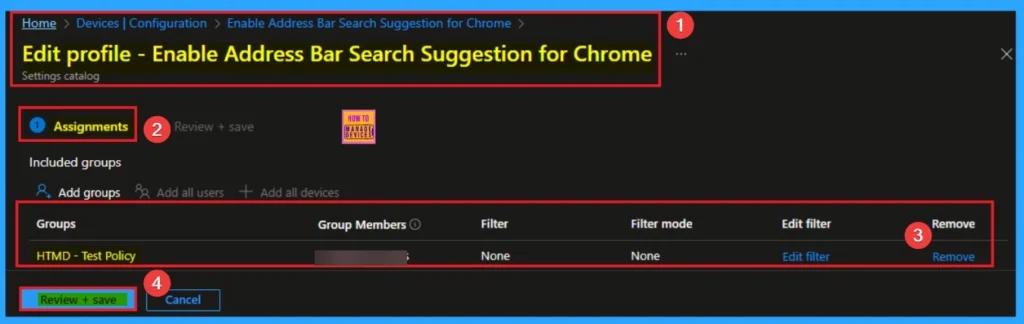
How to Delete Disable Edge Performance Detector Settings
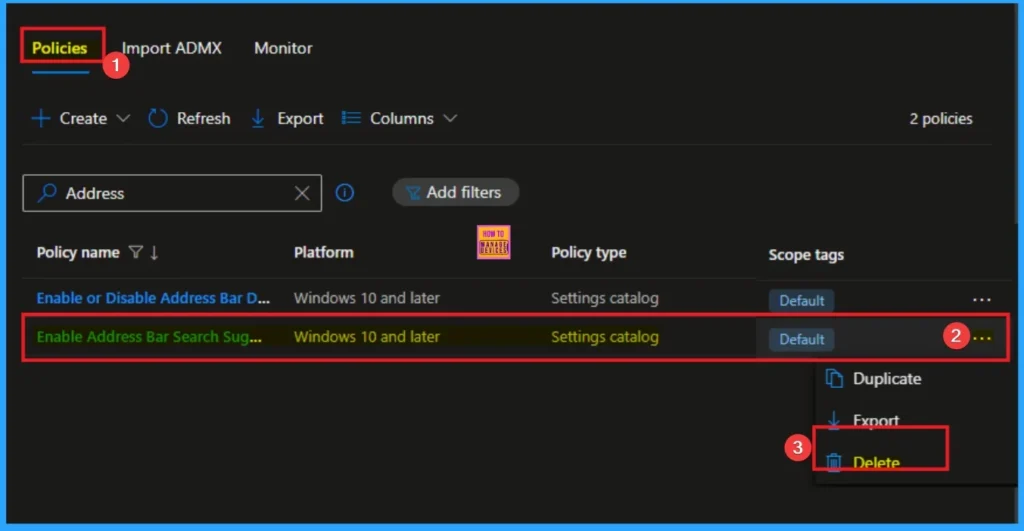
You can easily delete the Policy from the Intune Portal. From the Configuration section, you can delete the policy. It will completely remove it from the client devices.
For detailed information, you can refer to our previous post – How to Delete Allow Clipboard History Policy in Intune Step by Step Guide.
Need Further Assistance or Have Technical Questions?
Join the LinkedIn Page and Telegram group to get the step-by-step guides and news updates. Join our Meetup Page to participate in User group meetings. Also, Join the WhatsApp Community to get the latest news on Microsoft Technologies. We are there on Reddit as well.
Author
Anoop C Nair has been Microsoft MVP for 10 consecutive years from 2015 onwards. He is a Workplace Solution Architect with more than 22+ years of experience in Workplace technologies. He is a Blogger, Speaker, and Local User Group Community leader. His primary focus is on Device Management technologies like SCCM and Intune. He writes about technologies like Intune, SCCM, Windows, Cloud PC, Windows, Entra, Microsoft Security, Career, etc.


Discussion